🏠 HOME » Page 2

Blog

  • Compete with automated tools of prospecting. An abridged guide.

    Compete with automated tools of prospecting. An abridged guide.

    That’s a very real and challenging situation. Automated tools are becoming more sophisticated and can perform the basic tasks of lead research and list building at a scale and speed that is impossible for a human.1 To stay in business, your strategy must pivot from being a pure data provider to becoming a highly specialized, value-added partner.

    Your competitive advantage lies in the things that automation cannot replicate. Here is a comprehensive strategy to move forward:

    1. Specialize and Dominate a Niche

    Automation tools are built for broad, scalable tasks. They are not great at deep, nuanced research in specific, hard-to-reach markets. Find your niche and become the undisputed expert in it.

    • Focus on highly specific industries: Instead of just “SaaS companies,” specialize in “Fintech startups in the UK raising their Series B round.” Or “med-tech companies in North America with 50-200 employees.”
    • Target specific roles or personas: Go beyond just C-suite. Focus on roles that are difficult to pinpoint, like “Head of Growth,” “VP of People,” or “Director of Innovation” at companies of a certain size.
    • Go after hard-to-find data: Automation tools rely on publicly available data. You can specialize in finding proprietary or hard-to-source information. This could include:
      • Identifying key decision-makers who don’t have a strong LinkedIn presence.
      • Finding the direct phone numbers or personal emails of hard-to-reach executives.
      • Researching internal team structures, specific software stacks, or unique business challenges that aren’t on a company’s “About Us” page.

    2. Become a “Human-in-the-Loop” for Higher-Value Tasks

    Don’t fight the tools; use them to your advantage. Reposition yourself as the person who cleans, validates, and enriches the data that automation provides. This is the “human-in-the-loop” model.

    • Data Vetting and Verification: Offer a service to review and verify lists generated by automated tools. Tools are prone to errors (e.g., outdated titles, wrong email addresses, companies that have shut down). Your human touch ensures quality and accuracy.
    • Deep Research and Personalization: The real value for your clients is not just a list of names, but a list of opportunities. This requires a level of analysis that an automated tool cannot perform.
      • Research “trigger events” and contextualize them for your client. For example: “Company X just hired a new CMO, making them a prime target for your marketing software.” “Company Y just announced a new funding round, so they have budget to spend.”
      • Add personalized insights for each prospect. This could be a recent news article about them, a conference they spoke at, a post they made on social media, or a unique challenge they’re facing that you’ve uncovered. This is what allows your client’s sales team to create a highly personalized and effective outreach message.

    3. Shift from “List Builder” to “Strategic Partner”

    Your new value proposition is not just a list, but a complete solution that drives sales. Rebrand yourself and your services to reflect this strategic role.

    • Offer “Prospecting Intelligence” or “Account-Based Insights” instead of just “lead lists.”
    • Provide a complete package: A prospect list is just one piece of the puzzle. You can offer a service that includes:
      • The raw data (companies, names, titles).
      • Verified contact information.
      • Contextual insights and “warm-up” notes.
      • A pre-written, highly personalized email or LinkedIn message template for each prospect.
      • A prioritized list based on a lead scoring model that you’ve helped create.
    • Focus on solving the client’s problem, not just fulfilling a request. Your client doesn’t need a list; they need to close more deals. Frame your service around that outcome.

    4. Create Thought Leadership Content

    Position yourself as an authority in your niche. This builds trust and attracts inbound leads who are looking for a specialist, not a generic service.

    • Write articles and case studies on your LinkedIn profile or a personal blog. Share your unique research process.
    • Discuss the limitations of automated tools and highlight the areas where human intelligence is irreplaceable.
    • Share success stories (anonymized, if necessary) about how your insights helped a client land a major deal.
    • Engage in industry groups and forums. Answer questions, provide value, and become a visible expert.

    By combining deep specialization, “human-in-the-loop” vetting, strategic partnership, and content creation, you can build a sustainable and highly valuable business that complements, rather than competes with, automated tools.

  • Beyond the ‘Like’: The Social Media Marketing Trends Redefining Engagement in 2025

    Beyond the ‘Like’: The Social Media Marketing Trends Redefining Engagement in 2025


    For years, the social media playbook was straightforward: post consistently, gather likes, and grow your follower count. But let’s be real—the digital landscape of 2025 is a far more complex and dynamic arena. A passive “presence” is no longer enough. Today’s audiences crave authenticity, entertainment, and genuine connection.

    If you’re still relying on outdated tactics, you’re not just falling behind; you’re becoming invisible. To truly cut through the noise, you need to understand and adapt to the seismic shifts happening across all platforms. Here are the key social media marketing trends you need to embrace right now.

    1. The Unstoppable Reign of Short-Form Video

    This isn’t a trend anymore; it’s the new standard. Platforms like TikTok, Instagram Reels, and YouTube Shorts have fundamentally changed how users consume content. They expect quick, engaging, and value-packed videos that either entertain or educate them in under 60 seconds.

    • Authenticity Over Polish: Slick, corporate-style videos are out. Users connect with raw, behind-the-scenes content, user-generated-style videos, and personality-driven clips. Think less like a commercial and more like a creator.
    • Sound is the New Headline: A trending audio clip can give your content a massive organic boost. Pay attention to what’s popular and creatively adapt it to your brand’s message.

    2. Social Commerce: The Storefront is Now the Feed

    The gap between discovery and purchase is rapidly closing. Users no longer want to click through multiple links to buy a product they see on their feed. Social commerce features, like TikTok Shop and Instagram Shopping, allow for seamless in-app purchasing.

    • Make it Shoppable: Tag products directly in your posts and videos. Utilize live shopping events to create urgency and demonstrate products in real-time. The goal is to reduce friction and make the path to purchase as short as possible.
    • Influencer Storefronts: Collaborate with creators who can curate and sell your products directly to their engaged audience, leveraging their trust and influence.

    3. The Shift from Broad Reach to Niche Community Building

    While massive follower counts look impressive, the real metric of success in 2025 is a highly engaged community. Brands are moving away from shouting at everyone and are instead fostering dedicated spaces for their super-fans.

    • Beyond the Main Feed: Think private Facebook Groups, Discord servers, or subscriber-only Instagram channels. These platforms allow for deeper conversations, exclusive content, and a sense of belonging that a public feed can’t replicate.
    • Foster Conversation, Not Just Content: Ask questions, run polls, and actively participate in discussions. The goal is to facilitate a two-way dialogue and make your audience feel heard and valued.

    4. Authenticity and the Rise of the “De-Influencer”

    Audiences have developed a keen sense for inauthenticity. The overly curated, picture-perfect aesthetic is losing its appeal. This has given rise to the “de-influencing” trend, where creators and brands offer honest, sometimes critical, reviews and advice.

    • Embrace User-Generated Content (UGC): Sharing content created by your actual customers is one of the most powerful forms of social proof. It’s authentic, trustworthy, and relatable.
    • Partner with Micro-Influencers: These creators often have smaller, but highly dedicated and trusting, audiences. Their recommendations feel more like a genuine suggestion from a friend than a paid advertisement.

    5. AI as Your Creative Co-Pilot

    Artificial Intelligence is no longer a futuristic concept; it’s a practical tool that can supercharge your social media strategy. From ideation to analytics, AI can help you work smarter, not harder.

    • Content Creation and Ideation: Use AI tools to brainstorm content ideas, draft captions, and even generate scripts for short-form videos.
    • Social Listening and Analytics: AI can analyze comments and conversations at scale, helping you identify emerging trends, understand audience sentiment, and pinpoint customer service issues before they escalate.

    The Future is Human-Centric

    If there’s one thread connecting all these trends, it’s a move towards a more human, connected, and authentic online experience. The brands that will win in 2025 and beyond are those who stop broadcasting and start connecting, who prioritize community over clicks, and who provide genuine value in every post, story, and video.

    Which of these trends are you most excited to implement in your strategy? Let us know in the comments!

  • Why Cold Email Is Hot?

    Why Cold Email Is Hot?

    The term “cold email” might conjure images of spammy, mass-blasted messages destined for the trash folder. But in 2025, that perception is as outdated as a dial-up modem. Done right, cold email has not only survived—it’s thriving.1 It has evolved from a numbers game into a precision tool, making it one of the hottest and most effective strategies for B2B sales and networking.2

    So, why is this classic channel making such a powerful comeback? Because it’s no longer about shouting into the void; it’s about starting a meaningful conversation.3

    The Death of the Spam Cannon, The Rise of the Sniper Rifle

    The single biggest shift in cold email is the move from volume to value. The “spam cannon” approach of blasting a generic template to thousands of recipients is dead, and for good reason. Today’s inboxes are protected by sophisticated spam filters and discerning users who can spot a generic pitch from a mile away.4

    Instead, the modern, “hot” approach to cold email is like that of a sniper:

    • Deep Research: Before even thinking of hitting “send,” successful outreach involves understanding the prospect, their company, their recent achievements, and their specific pain points.5
    • Hyper-Personalization: This goes far beyond using a {{first_name}} tag.6 Effective cold emails reference specific company initiatives, recent blog posts, or mutual connections, proving the sender has done their homework.7 Statistics consistently show that personalized emails can boost reply rates by over 100%.8
    • Value-First Mentality: The core question has changed from “What can I sell?” to “What value can I offer?” This could be a relevant case study, a useful insight into their industry, or a solution to a problem they’ve publicly discussed.

    Technology Has Transformed the Game

    Ironically, the technology that threatened to kill email with clutter is now its greatest ally. AI and advanced automation tools have supercharged the ability to send highly personalized, timely, and relevant emails at scale.9

    • AI-Powered Personalization: Artificial intelligence can now analyze a prospect’s LinkedIn profile, company news, and industry trends to help craft unique opening lines and value propositions, making scalable outreach feel genuinely one-to-one.10
    • Smart Automation & Sequencing: Modern outreach platforms allow for the creation of intelligent follow-up sequences. If a prospect doesn’t reply, a series of pre-planned, value-adding emails can be sent automatically, ensuring persistence without being a pest. Statistics show that up to 80% of sales require at least five follow-ups, a task made manageable only through automation.11
    • Data-Driven Optimization: A/B testing subject lines, analyzing open and click-through rates, and tracking reply sentiment are now standard practice.12 This data-first approach allows marketers to constantly refine their strategy for maximum impact.13

    Unbeatable ROI in a Noisy World

    While social media and paid ads are crucial, they exist in increasingly crowded and expensive arenas. Email remains a direct, owned channel with unparalleled return on investment (ROI).14

    • Direct Access to Decision-Makers: Cold email allows you to bypass gatekeepers and land directly in the inbox of executives and key decision-makers.15 No other channel offers such a direct line of communication.16
    • Cost-Effectiveness: Compared to the rising costs of paid advertising and the time investment of social media, email marketing remains one of the most cost-effective channels for lead generation.17 Studies consistently place email marketing’s ROI at over $36 for every $1 spent.18
    • A Professional’s Preferred Medium: Despite the rise of chat apps and social DMs, email remains the primary channel for professional communication.19 Eight out of ten prospects report preferring to be contacted by email over a phone call, as it is less intrusive and allows them to respond on their own terms.20

    The New Rules for a Hot Channel

    To succeed with cold email in 2025, the strategy must be built on a foundation of respect, relevance, and value.21

    1. Quality Over Quantity: A list of 100 highly researched prospects will always outperform a list of 10,000 random email addresses.
    2. Give Before You Ask: Offer a valuable insight, a helpful resource, or a genuine compliment before asking for anything in return.
    3. Keep It Human: Even with AI assistants, the tone should be authentic and conversational.22 Write like you’re speaking to a single person, not a mailing list.
    4. Embrace the Multichannel Approach: The conversation may start with an email, but it can be warmed up with a LinkedIn connection or a relevant comment on a social media post, creating a more holistic and effective outreach strategy.23

    Cold email is “hot” because it has adapted. It has shed its reputation as a blunt instrument and has been reforged into a sophisticated, data-driven, and personalization-powered tool.24 For those willing to put in the work, it remains one of the most powerful ways to cut through the noise, build meaningful connections, and drive serious business growth.25

  • ChatGPT and Google Gemini

    ChatGPT and Google Gemini

    In the rapidly evolving world of artificial intelligence, two names stand out: ChatGPT and Google Gemini. Both are incredibly powerful language models, but they have distinct strengths and are built on different philosophies. Choosing between them depends entirely on what you need to accomplish.


    The Contenders: A Quick Intro

    🤖 OpenAI’s ChatGPT

    ChatGPT, powered by the Generative Pre-trained Transformer (GPT) series, burst onto the scene and made AI a household name. Developed by OpenAI, it’s known for its exceptional ability to generate human-like text, engage in nuanced conversations, write code, and draft creative content. Think of it as a highly articulate conversationalist and a creative partner.

    🧠 Google’s Gemini

    Gemini is Google’s answer to the AI race. It’s not just one model but a family of them (Pro, Ultra, and Nano) designed for different tasks. Gemini’s key advantage is its native multimodality and direct integration with Google’s massive ecosystem, including real-time access to the internet via Google Search. It’s positioned as a smart assistant that can understand and reason across text, images, audio, and video seamlessly.


    Key Differences: More Than Just a Name

    While both chatbots can write an email or explain a complex topic, their core differences lie in their architecture, data access, and integration.

    1. Access to Information

    This is the most significant difference. Gemini has real-time access to the internet. When you ask Gemini a question about a recent event, it fetches the latest information directly from Google Search.

    ChatGPT’s free version (based on GPT-3.5) has a knowledge cutoff, meaning it doesn’t know about events that happened after its last training update (typically early 2023). The paid version, ChatGPT Plus, can browse the web, but it’s a feature built on top of the core model, whereas for Gemini, it’s a native capability.

    • Winner for current events & research: Gemini

    2. Multimodality: The Ability to See and Hear

    Gemini was built from the ground up to be multimodal. This means it was designed from its core to understand and process different types of information—like text, images, code, and audio—simultaneously. You can show it a picture and ask questions about it, and it can reason about the visual information in a sophisticated way.

    ChatGPT has also incorporated multimodal features (like allowing image uploads in GPT-4), but it was initially a text-only model. While powerful, its multimodal capabilities were added on rather than being part of its original design.

    • Winner for multimodal tasks: Gemini

    3. Creativity and Conversation

    This is where ChatGPT often shines. It is widely praised for its creative writing abilities, whether it’s poetry, scripts, or marketing copy. Its conversational style feels incredibly natural and human-like, making it an excellent tool for brainstorming, drafting content, and exploring ideas through dialogue.

    While Gemini is highly capable, some users find its tone to be slightly more formal or “robotic” compared to ChatGPT’s fluid conversational skills.

    • Winner for creative writing & conversation: ChatGPT

    4. Ecosystem Integration

    Both models are extending their reach through integrations, but their home turf is clear.

    Gemini is being deeply woven into the Google ecosystem. You’ll find it in Google Workspace (Docs, Sheets, Gmail), Android, and of course, Google Search. This makes it a powerhouse for productivity within Google’s suite of tools.

    ChatGPT, through OpenAI’s partnership with Microsoft, is integrated into products like Bing and the Copilot assistant. It also has a vast library of third-party “GPTs” and plugins that connect it to many different apps and services.

    • Winner for Google users: Gemini
    • Winner for Microsoft users & third-party flexibility: ChatGPT

    So, Which One Should You Use?

    There’s no single “winner.” The best choice depends on your needs.

    Use CaseBest ChoiceWhy?
    Research & Fact-CheckingGeminiDirect, real-time access to Google Search for the most current information.
    Creative Writing & BrainstormingChatGPTSuperior conversational flow and highly praised creative text generation.
    Analyzing Images or VideosGeminiNatively multimodal architecture provides deeper understanding of visual data.
    Productivity in Google WorkspaceGeminiDeep integration with Docs, Gmail, Sheets, etc.
    General Conversation & ExplorationChatGPTIts engaging and natural conversational style makes it a joy to interact with.

    Ultimately, ChatGPT is like a brilliant creative writer and conversationalist, perfect for drafting, ideation, and dialogue. Gemini is more like a super-intelligent research assistant, leveraging the full power of Google to give you real-time, multimedia-savvy answers.

    The great news? You can try both for free! The best way to decide is to give them each a spin and see which one works best for you. The race between these AI giants is just getting started, and the real winner is us, the users who get to benefit from their incredible capabilities.

  • Quality Over Quantity: The Unsung Hero of Sales is Your Manually-Built Prospect List

    Quality Over Quantity: The Unsung Hero of Sales is Your Manually-Built Prospect List


    Quality Over Quantity: The Unsung Hero of Sales is Your Manually-Built Prospect List

    In the age of AI, automation, and “growth hacking,” the idea of doing anything manually can feel outdated. We’re told to scale everything, automate our outreach, and cast the widest net possible. But what if the secret to breaking through the noise and actually closing more B2B deals lies in a more deliberate, handcrafted approach?

    Enter manual B2B prospect list building.

    It’s the art and science of meticulously curating a list of ideal potential customers, one by one. It’s not about buying a massive, generic list of emails; it’s about building a targeted roster of companies and contacts that perfectly match what you have to offer. It’s the difference between shouting into a crowded stadium and having a meaningful conversation in a quiet room.

    If your outreach emails are getting abysmal open rates and your sales team is tired of chasing dead ends, it’s time to rediscover this powerful technique.

    What Exactly is Manual List Building (and What it’s Not)?

    Let’s be clear. Manual list building is the process of using human intelligence, research, and intuition to identify and qualify potential B2B customers. An analyst or sales representative actively seeks out companies and individuals who fit a predefined Ideal Customer Profile (ICP).

    Manual List BuildingBuying Automated Lists
    High-Quality & Curated: Every entry is researched and verified.Variable Quality: Often contains outdated or irrelevant contacts.
    High Relevance: Prospects perfectly match your ICP.Low Relevance: A “spray and pray” approach.
    Rich with Context: You gather notes for personalization.Data-Poor: Usually just a name, title, and email.
    Higher ROI: Leads to better conversations and conversion rates.Lower ROI: High volume of bounces and unqualified leads.
    Time-Intensive Upfront: Requires an initial investment of time.Fast to Acquire: You can get a list in minutes.

    The “Why”: Undeniable Benefits of Going Manual

    Investing time in manual prospecting isn’t a chore; it’s a strategic advantage. Here’s why it pays dividends:

    1. Unparalleled Lead Quality: Every single prospect on your list has been vetted. You know their company fits, their role is relevant, and they are the person you need to talk to. This dramatically reduces time wasted on unqualified leads.
    2. The Goldmine of Personalization: The research process uncovers invaluable tidbits. Did the company just secure a new round of funding? Did your contact just get promoted or write a blog post? These details are the fuel for hyper-personalized outreach that stands out from generic templates.
    3. Drastically Improved Conversion Rates: When you reach out to the right person at the right company with a message that resonates with their specific context, your chances of getting a positive response skyrocket. This translates directly to more meetings booked and more deals closed.
    4. Deep Understanding of Your Market: Manually building lists forces you to immerse yourself in your target market. You start to recognize trends, identify key players, and understand the nuances of the industry in a way that no purchased list can teach you.

    The “How”: A 5-Step Guide to Building Your Power List

    Ready to roll up your sleeves? Here is a repeatable framework for building a high-quality B2B prospect list.

    Step 1: Define Your Ideal Customer Profile (ICP) with Precision

    This is your foundation. If you get this wrong, everything else will be inefficient. Be brutally specific.

    • Industry/Vertical: (e.g., SaaS, FinTech, E-commerce)
    • Company Size: (e.g., 50-200 employees)
    • Geography: (e.g., North America, Western Europe)
    • Technology Stack: (e.g., Companies using HubSpot, AWS, etc.)
    • Recent Trigger Events: (e.g., Recently hired a VP of Sales, received Series B funding)

    Step 2: Identify Your Key Buyer Personas

    Within your ICP companies, who holds the keys? Who is the decision-maker, the influencer, the budget-holder?

    • Job Titles: (e.g., “Chief Technology Officer,” “VP of Marketing,” “Head of People”)
    • Seniority: (e.g., Director, C-Level, Manager)

    Step 3: Choose Your Hunting Grounds

    Where do these people and companies live online?

    • LinkedIn Sales Navigator: This is non-negotiable. Its advanced filters are your best friend for zeroing in on companies and contacts that match your ICP.
    • Industry-Specific Directories: Think G2, Capterra, or niche industry association websites.
    • Company Websites: The “About Us,” “Team,” or “Press” pages are often treasure troves.
    • Job Boards: A company hiring for a specific role is a huge buying signal.

    Step 4: The Research & Collection Phase

    This is where the manual work happens. Open a simple spreadsheet (Google Sheets or Excel) with the following columns:

    • First Name
    • Last Name
    • Job Title
    • Company Name
    • Company Website
    • LinkedIn Profile URL
    • Email Address
    • Personalization Notes (This is your secret weapon! Note a recent project, a post they shared, a common connection, etc.)

    Use your hunting grounds to find companies that fit your ICP, then dive in to find the individuals matching your buyer personas. Fill out your spreadsheet as you go.

    Step 5: Find and Verify Contact Information

    Finding a direct email is the final piece of the puzzle.

    • Use Tools Wisely: Services like Hunter.io, Lusha, or Apollo.io can help you find email addresses.
    • Educated Guessing: Many companies use standard formats (e.g., firstname.lastname@company.com).
    • VERIFY! Always use an email verification tool (like ZeroBounce or NeverBounce) before sending. A high bounce rate will damage your domain’s reputation and hurt your deliverability.

    Final Thoughts: From Prospector to Valued Partner

    Manual list building is more than an administrative task; it’s the first step in building a genuine business relationship. It forces you to think like your customer, understand their world, and approach them with respect and relevance.

    Stop buying anonymous lists and shouting into the void. Start building a curated list of future partners. The time you invest upfront will be returned tenfold in the quality of your conversations and the health of your pipeline.

  • AI in Recruitment Industry

    AI in Recruitment Industry

    AI is transforming the recruitment industry by automating repetitive tasks, improving efficiency, and enhancing the overall hiring process for both recruiters and candidates.1 Here are some of the key ways AI is being used in recruitment:

    1. Sourcing and Screening Candidates:2

    • Automated Resume Screening: AI-powered tools can quickly scan thousands of resumes and applications, identifying qualified candidates based on predefined criteria like skills, experience, and keywords.3 This saves recruiters significant time that would otherwise be spent on manual review.4
    • Wider Talent Pool: AI can analyze data from various sources, including job boards, social media, and internal databases, to find both active and passive candidates who may be a good fit for a role.5 This helps companies discover a more diverse and broader range of talent.6

    2. Enhancing the Candidate Experience:

    • AI Chatbots: Conversational AI can interact with candidates 24/7, answering their questions about the company, job requirements, and the application process.7 This provides a smoother and more engaging experience for job seekers and reduces the workload for recruiters.8
    • Personalized Communication: AI can help recruiters craft personalized outreach emails and messages to engage potential candidates, increasing response rates and creating a more positive impression of the company.9
    • Simplified Scheduling: AI-powered scheduling tools can automate the process of booking interviews, eliminating the time-consuming back-and-forth emails and calendar conflicts.10

    3. Reducing Bias and Improving Quality of Hire:11

    • Bias-Free Screening: By focusing on skills and qualifications rather than personal details, AI can help minimize unconscious human bias in the initial screening phase, leading to a more inclusive and diverse workforce.12
    • Data-Driven Decisions: AI tools use data and predictive analytics to help recruiters make more informed hiring decisions.13 They can analyze the profiles of successful past hires to identify traits and skills that lead to long-term success and better retention.
    • Objective Assessments: AI can be used to facilitate pre-interview assessments, such as one-way video interviews or skills tests, providing objective data on a candidate’s abilities and fit for the role.14

    4. Automating Administrative Tasks:

    • Job Description Generation: Generative AI can assist in writing customized and compelling job descriptions, saving recruiters time and helping to attract the right candidates.15
    • Interview Support: AI can transcribe and summarize virtual interviews, and some tools can even analyze verbal cues and body language to provide insights into a candidate’s temperament and communication style.16
    • Onboarding: AI can streamline the onboarding process by automating tasks like background checks, paperwork, and initial training, allowing new employees to get started faster.17

    While AI is a powerful tool for recruitment, it’s important to remember that it is meant to augment human recruiters, not replace them.18 By handling the more mundane, high-volume tasks, AI frees up human recruiters to focus on the strategic, high-value aspects of their job, such as building relationships with top talent and making final hiring decisions.19

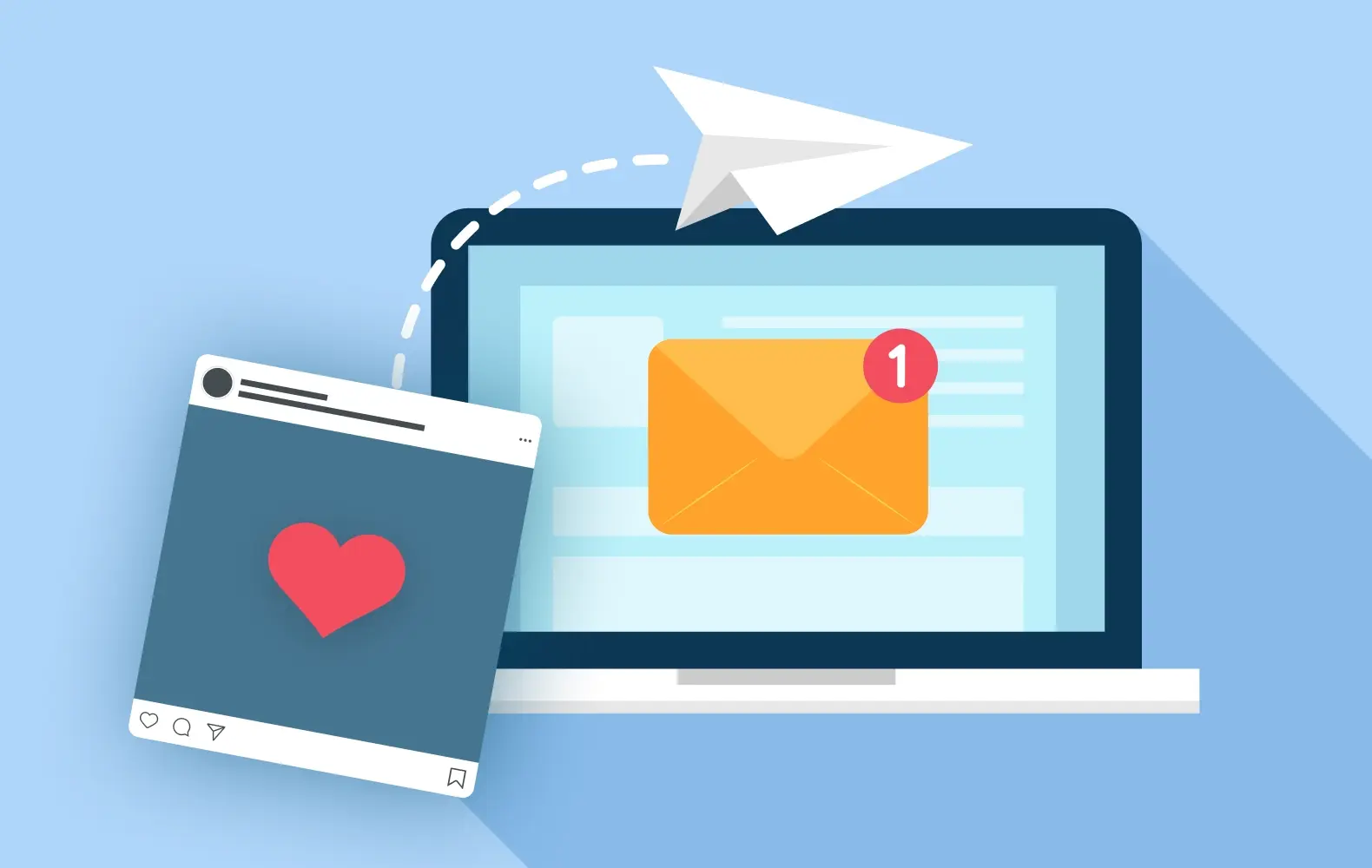
  • The Dynamic Duo of Email and Social Media

    The Dynamic Duo of Email and Social Media

    Power Up Your Marketing: The Dynamic Duo of Email and Social Media

    In today’s digital landscape, businesses have a plethora of tools at their disposal to connect with their audience. Among the most effective and enduring are email marketing and social media. While often discussed separately, these two channels are far more powerful when used in tandem. Think of them not as rivals, but as complementary forces that can significantly amplify your marketing reach and impact.

    Email Marketing: Your Direct Line to Engagement

    Email marketing remains a cornerstone of digital strategy for a reason: it offers a direct and personal line of communication with your audience. When someone subscribes to your email list, they’re essentially giving you permission to land directly in their inbox. This allows for:

    • Personalized Messaging: Segment your audience and tailor your emails to their specific interests and needs. This level of personalization can lead to higher engagement and conversion rates.
    • Driving Conversions: Email is excellent for nurturing leads and guiding them through the sales funnel. You can share exclusive offers, product updates, and valuable content that encourages action.
    • Building Relationships: Consistent and valuable email communication can foster trust and loyalty with your audience over time.
    • Measuring Results: Email marketing platforms provide robust analytics, allowing you to track open rates, click-through rates, and conversions, giving you valuable insights into what resonates with your audience.

    Social Media: Expanding Your Reach and Sparking Conversation

    Social media platforms are vibrant hubs where conversations happen and communities are built. They offer unique opportunities for:

    • Broadening Your Audience: Social media allows you to reach a vast and diverse audience, increasing brand awareness and attracting new potential customers.
    • Real-Time Engagement: You can interact directly with your audience, respond to comments and questions, and participate in relevant conversations.
    • Visual Storytelling: Social media is ideal for showcasing your brand’s personality through visually appealing content like images, videos, and stories.
    • Gathering Feedback: Social listening on social media provides invaluable insights into customer sentiment, trends, and competitor activities.

    The Power of Synergy: How Email and Social Media Work Together

    The real magic happens when you integrate your email marketing and social media strategies. Here’s how you can leverage their combined power:

    • Grow Your Email List: Promote your email signup form on your social media profiles and in your posts. Offer exclusive content or discounts as an incentive to subscribe.
    • Amplify Your Content: Share your latest blog posts, newsletters, and promotions on your social media channels to reach a wider audience and drive traffic to your website.
    • Run Integrated Campaigns: Launch campaigns that span both email and social media. For example, tease a new product launch on social media and then provide more details and a pre-order link via email.
    • Gather Social Insights for Email Personalization: Pay attention to what your social media followers are talking about and use those insights to tailor your email content.
    • Encourage Social Sharing from Emails: Include social media sharing buttons in your emails to make it easy for subscribers to share your content with their networks.
    • Re-engage Inactive Subscribers via Social Media: If email engagement has dipped, try reaching out to inactive subscribers on social media to remind them of your brand’s value.

    Putting It All Together

    In conclusion, email marketing and social media are not mutually exclusive strategies; they are powerful allies in your marketing arsenal. By understanding their individual strengths and strategically integrating them, you can build stronger relationships with your audience, expand your reach, and ultimately drive better results for your business in Delhi and beyond. So, embrace the dynamic duo and watch your marketing efforts soar!

  • Email Marketing Services: Your Secret Weapon for Business Growth

    Email Marketing Services: Your Secret Weapon for Business Growth


    In the fast-paced world of digital marketing, it’s easy to get caught up in the latest trends. Social media, SEO, and paid ads all have their place. But there’s one tried-and-true channel that consistently delivers incredible results: email marketing. And at the heart of every successful email strategy is a great email marketing service.

    So, what exactly are these services, and why are they so crucial for your business?

    What is an Email Marketing Service?

    An email marketing service (often called an ESP, or Email Service Provider) is a platform that helps businesses create, send, and track email campaigns. While you could technically send emails one-by-one from your regular inbox, an email marketing service gives you the tools to do it at scale, professionally, and with powerful features that drive real business results.

    Think of it as the mission control for all your email communications. It’s where you manage your contact lists, design beautiful emails, automate your messaging, and analyze your performance.

    Why Your Business Needs an Email Marketing Service

    If you’re still on the fence about whether you need one, here are a few key reasons why these services are a game-changer:

    1. Unbeatable ROI (Return on Investment)

    Email marketing consistently boasts one of the highest ROIs of any marketing channel. For every dollar you spend, you can expect a significant return. This is because you’re communicating with a list of people who have already expressed interest in your brand—they’ve opted in to hear from you.

    2. Direct and Owned Communication

    Unlike social media platforms where a single algorithm change can drastically reduce your reach, your email list is an asset you own. You have a direct line of communication with your audience, free from the whims of third-party platforms. This control gives you stability and a reliable way to connect with your customers.

    3. Powerful Automation and Personalization

    Modern email services allow you to go far beyond a simple newsletter. You can set up automated email sequences that are triggered by a user’s actions.

    • Welcome Series: Automatically greet new subscribers and introduce your brand.
    • Abandoned Cart Emails: Remind customers of items they left in their cart, often with a special incentive.
    • Re-engagement Campaigns: Win back inactive subscribers with a targeted message.

    You can also personalize your emails to a hyper-specific degree. Addressing a subscriber by their first name is just the beginning. With the right data, you can send tailored content, product recommendations, and offers based on their past behavior and interests. This level of personalization makes your customers feel seen and valued, leading to higher engagement.

    4. Measurable Success

    How do you know if your marketing is working? An email marketing service provides detailed analytics that tell you exactly what’s happening with your campaigns. You can track:

    • Open Rate: How many people are opening your emails?
    • Click-Through Rate (CTR): How many people are clicking on the links inside?
    • Conversion Rate: Are people taking the desired action (e.g., making a purchase)?
    • Bounce Rate: Are your emails being delivered successfully?

    These metrics give you a clear picture of your campaign’s effectiveness, allowing you to test, learn, and optimize for even better results.

    Choosing the Right Email Marketing Service

    With so many options out there, how do you pick the right one for your business? Consider these factors:

    • Your Budget: Many services offer free plans or affordable tiers for small businesses, while others are built for enterprise-level needs.
    • Ease of Use: Do you need a drag-and-drop editor to create beautiful emails easily, or are you comfortable with more technical customization?
    • Features: What features are non-negotiable for you? List segmentation, advanced automation, A/B testing, and e-commerce integrations are all things to look for.
    • Support: Do they offer helpful customer support and resources in case you get stuck?

    Email marketing is far from a relic of the past. It’s a dynamic, powerful, and essential tool for any business looking to build lasting customer relationships and drive sustainable growth. By leveraging the right email marketing service, you can take your communication from a one-way message to a two-way conversation that builds loyalty and boosts your bottom line.

  • Beyond the Inbox: The Latest Trends Revolutionizing Email Marketing

    Beyond the Inbox: The Latest Trends Revolutionizing Email Marketing

    Email marketing, far from being an outdated relic, continues to evolve at a rapid pace, solidifying its position as a powerhouse in digital communication. In 2025, we’re seeing exciting shifts that are making emails more engaging, personalized, and privacy-conscious than ever before. If you’re looking to elevate your email campaigns, here’s a look at the hottest trends defining the future of email marketing:

    1. Hyper-Personalization Fueled by AI

    Gone are the days of simply addressing subscribers by their first name. The new frontier is hyper-personalization, driven by the power of Artificial Intelligence. AI analyzes vast amounts of data – including Browse history, purchase behavior, email engagement, and even real-time interactions – to create truly individualized experiences.

    What this means for you:

    • Tailored Content: AI can recommend products, suggest relevant articles, or even generate personalized subject lines and email copy that resonate deeply with each recipient’s unique interests.
    • Optimized Send Times: AI algorithms can predict the optimal time to send emails to individual subscribers, ensuring your message lands in their inbox when they’re most likely to engage.
    • Dynamic Journeys: AI helps create complex automated workflows that guide customers through personalized journeys based on their actions, from welcome sequences to abandoned cart reminders and re-engagement campaigns.

    2. Interactive Email Experiences: Engaging Beyond the Click

    Why send someone to a landing page when they can interact directly within the email? Interactive emails are transforming passive reading into active engagement. Powered largely by technologies like AMP (Accelerated Mobile Pages) for Email, these elements reduce friction and boost conversion rates.

    Think beyond static content:

    • Polls, Quizzes, and Surveys: Gather valuable feedback and preferences directly within the email.
    • Carousels and Image Sliders: Showcase multiple products or images without making the email overly long.
    • Embedded Videos: Increase engagement and provide richer content experiences.
    • “Add to Calendar” Functionality: Allow recipients to RSVP to events or add appointments directly from their inbox.
    • Shopping Carts/Checkouts: For e-commerce, imagine customers completing a purchase without ever leaving the email!

    3. Prioritizing Privacy and Building Trust

    With increasing data privacy regulations (like GDPR and CCPA) and growing consumer awareness, privacy and transparency are no longer optional – they’re foundational. Brands that prioritize ethical data practices will build stronger, more lasting relationships with their subscribers.

    Key considerations:

    • Explicit Consent: Ensure clear and explicit opt-in mechanisms for all email subscriptions.
    • Transparent Privacy Policies: Clearly communicate what data you collect, why you collect it, and how it will be used. This should be easily accessible from your signup forms and within your emails.
    • Easy Opt-Outs: Provide clear and prominent unsubscribe options in every email, and honor requests promptly.
    • First-Party Data Focus: Reliance on first-party data (data collected directly from your customers with their consent) is becoming paramount as third-party cookies fade away.

    4. Advanced Automation and Smart Segmentation

    Email marketing automation is no longer just about basic drip campaigns. It’s about creating sophisticated, behavior-triggered workflows and leveraging advanced segmentation to deliver the right message to the right person at precisely the right time.

    This involves:

    • Behavior-Based Triggers: Automating emails based on specific actions (e.g., website visits, product views, downloads, abandoned carts) or inactions.
    • Micro-Segmentation: Dividing your audience into increasingly smaller, more specific segments based on detailed data points to deliver highly relevant content.
    • Predictive Analytics: Using AI to anticipate customer behavior, identify potential churn risks, or predict future purchases, allowing for proactive email strategies.

    5. Mobile-First Design is the Standard

    Given that the majority of emails are opened on mobile devices, a mobile-first design approach is non-negotiable. Emails must not just be “mobile-friendly,” but designed from the ground up to provide a seamless and engaging experience on smaller screens.

    What to focus on:

    • Responsive Design: Emails that automatically adjust to fit any screen size.
    • Clean Layouts and Large Fonts: Ensuring readability and ease of navigation.
    • Concise Subject Lines: Short, impactful subject lines that display fully on mobile previews.
    • Tap-Friendly CTAs: Buttons and links that are easy to tap with a thumb.

    The Bottom Line

    The email marketing landscape is dynamic and exciting. By embracing hyper-personalization powered by AI, integrating interactive elements, championing privacy, leveraging advanced automation, and prioritizing mobile design, businesses can ensure their email campaigns not only stand out in crowded inboxes but also drive meaningful engagement and lasting customer relationships. Stay agile, test continuously, and keep your subscribers at the heart of your strategy to thrive in this evolving digital space.